
Fleet field guide / 001
DVIRDriver Vehicle
Inspection Report.
The walkaround matters.
So does everything that happens next.
The record behind the routine
Not just a checklist.
A closed-loop record.
A Driver Vehicle Inspection Report (DVIR) documents the condition of a vehicle and reportable defects discovered by or reported to the driver. Often called a daily vehicle inspection report, it connects an inspection to the people responsible for evaluating, correcting and reviewing an issue.
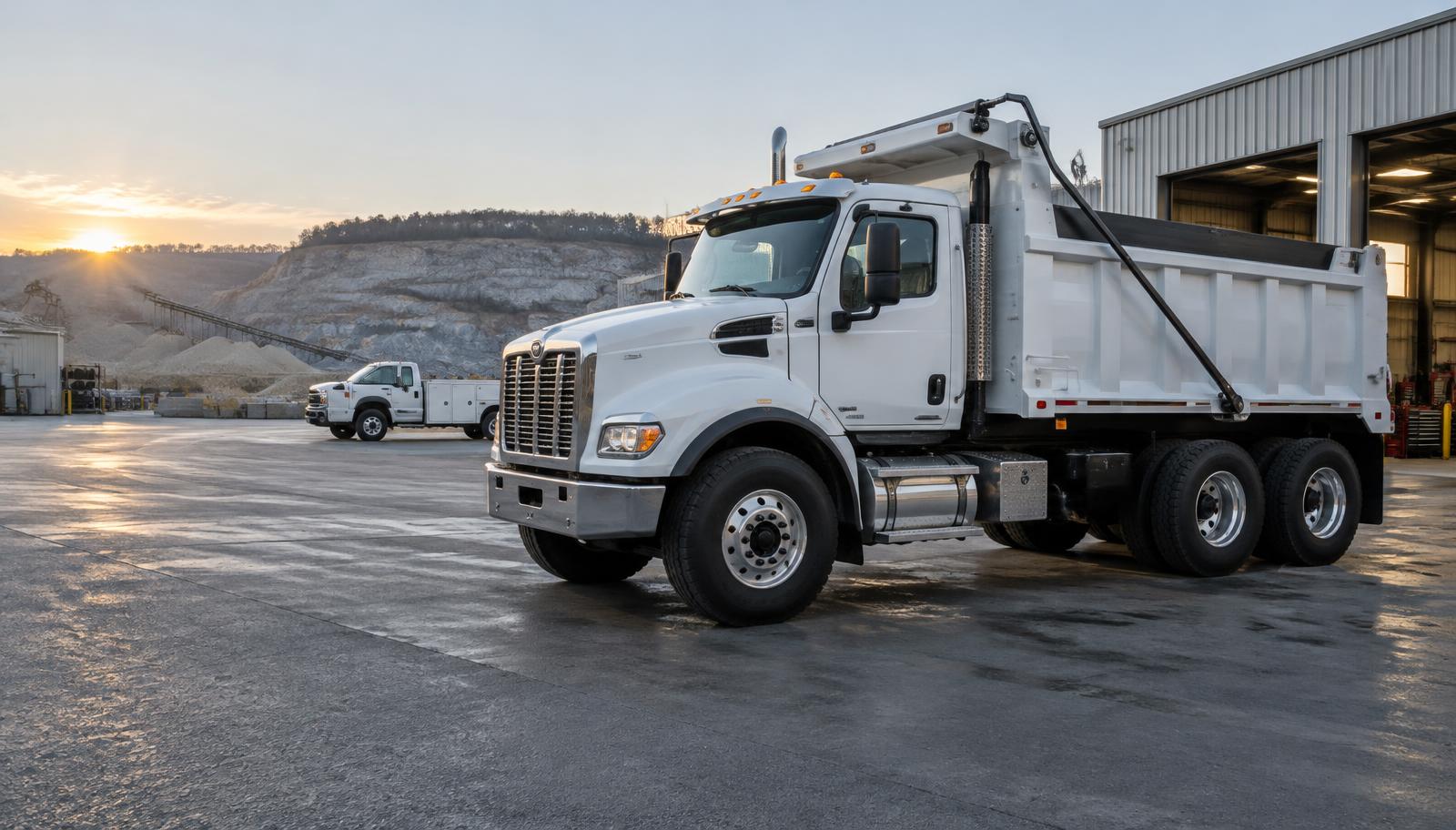
In a construction fleet, that record can involve dump trucks, road-going tractors, trailers and other covered vehicles. An ordinary fleet car is not automatically subject to the same federal requirements. Inspection policy and regulatory applicability are separate questions.
The goAardvark mobile app's DVIR connects vehicle identification, truck and trailer checklists, remarks, defects, overall condition and driver, mechanic and repair-review roles. The sample below recreates that structure with fictional details.
The inspection desk / Interactive sample
From walkaround to written record.
Brakes & coupling
Federal baseline / Reviewed October 29, 2026
Inspect the rule.
Not the rumor.
Federal DVIR requirements are not a blanket rule for every over-the-road asset. Start with the applicable commercial motor vehicle and carrier definitions, then check exceptions and state intrastate requirements.
For covered operations, §396.11 addresses written reports and defect handling. §396.13 addresses the driver’s responsibilities before driving. No-defect paperwork relief does not mean inspection or vehicle safety no longer matters.
For a vehicle already covered by §396.11
Transportation
Safety-related or breakdown-related defect discovered or reported?
A written DVIR is required.
Identify the vehicle, document the reportable defect and sign the report. Retain the report and associated certifications for 3 months from preparation.
Read §396.11Federal baseline only, not an eligibility or legal determination. Exceptions, state intrastate rules and employer policies may change what is required. Ordinary fleet cars are not automatically federally regulated CMVs.
Report
For applicable reports, identify the vehicle and document safety-related or breakdown-related defects discovered or reported. The driver signs the report.
Correct & certify
Repair defects likely to affect safe operation before permitting operation. The carrier or agent certifies that reported defects were repaired or repair was unnecessary.
Review & retain
Before driving, review the last report when required and acknowledge the applicable repair certification. Retain required reports and certifications for three months.
The human handoff
A defect is a finding.
A signature is accountability.
01 / Driver
Identify the asset, inspect relevant items and describe the defect clearly. Record what was found, not what the next person is expected to infer.
02 / Carrier & maintenance
Evaluate the reported condition. Make the required repair and certification, or document that repair was unnecessary. Keep the original finding connected to the action.
03 / Driver reviewing repairs
Review the applicable inspection and repair information before driving. A checked box must not conceal an unresolved condition or stand in for the required review.
The three signature areas in the goAardvark report make those roles visible. A real electronic workflow still needs appropriate identity, signature, retention and retrieval controls; a browser-based sample by itself does not establish compliance.
Common questions
DVIR, without
the guesswork.
A practical starting point for fleet managers, drivers and maintenance teams. Confirm the rules that apply to your operation.
What does DVIR stand for?
DVIR stands for Driver Vehicle Inspection Report. It is also commonly called a daily vehicle inspection report. It records the vehicle, defects discovered by or reported to the driver, and the applicable review and repair certifications.
Is a DVIR required for every fleet truck or car?
No. Federal requirements concern covered commercial motor vehicles and carriers, subject to exceptions. A company-owned car is not automatically covered. Vehicle characteristics, use, commerce, exemptions and state requirements matter. Fleets may also inspect assets under their own policies.
Do I need a DVIR when there are no defects?
Under current 49 CFR 396.11, drivers are not required to prepare a report when no defect or deficiency is discovered or reported. This exception applies to property and passenger carriers. It does not remove safe-condition duties or stricter applicable state or fleet policies.
How long must a carrier retain a DVIR?
For reports required by §396.11, the carrier retains the original report, repair certification and driver-review certification for three months from the date the report was prepared. Other inspection and maintenance records can have different retention requirements.
What happens when a driver finds a defect?
The report records defects likely to affect safe operation or result in a mechanical breakdown. The carrier must repair defects likely to affect safe operation before allowing the vehicle to operate and certify that the reported defects were repaired or that repair was unnecessary. The applicable driver review follows §396.13.
Can a DVIR be electronic?
Federal rules permit qualifying electronic records and signatures under §390.32. An electronic DVIR must still satisfy applicable content, signature, retention, access and production requirements; a digital checklist alone is not proof of compliance.
Is the interactive sample a real inspection report?
No. This resource is an educational demonstration based on the structure of a goAardvark mobile-app report. It does not save information, provide legal advice, collect valid signatures or authorize operation. Use your actual fleet inspection process for operational records.
Bring the fleet into the conversation.
See how goAardvark fits your vehicle inspection and equipment workflows.